 STUDY ABROAD
ASIA
Thailand
Southeast Asia's Most Affordable English Study Hub
COUNTRY OVERVIEW
About Thailand
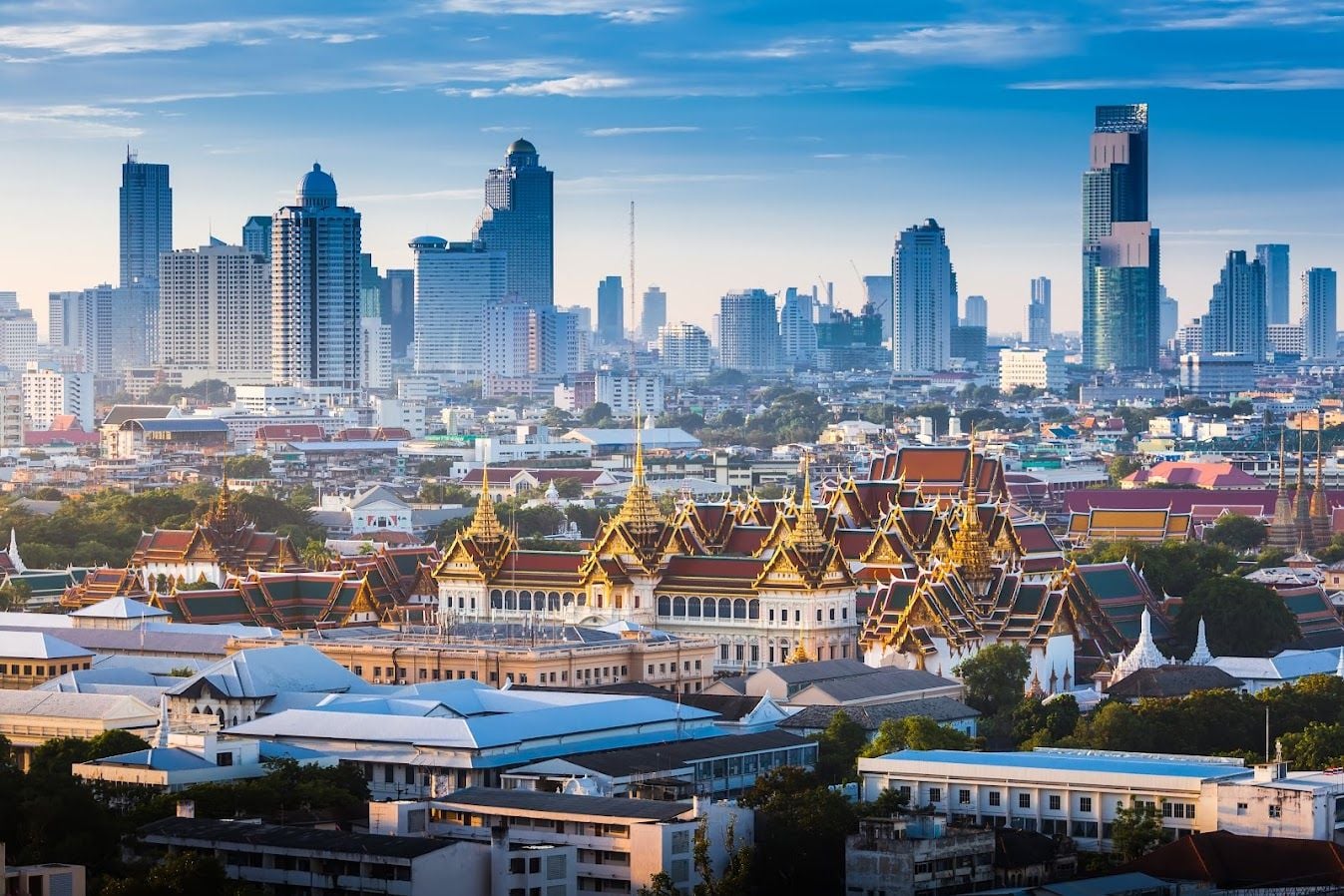
Thailand has emerged as one of Southeast Asia's most compelling study destinations, with over 30 private universities and colleges offering English-medium programmes in business, hospitality, technology, culinary arts, and creative disciplines. Bangkok — a global city with excellent transport links — hosts the majority of international campuses, including branches of Harbour.Space (Barcelona) and partnerships with Le Cordon Bleu (Paris). The Thai higher education sector has rapidly internationalised, with institutions like Assumption University (ABAC), Stamford International, and Rangsit University attracting students from across Asia and beyond. Tuition fees range from THB 60,000 to THB 350,000 per year (USD 1,700–10,000), making Thailand…
INSTITUTIONS
50+
TUITION FEES
THB 60,000 – THB 350,000/year
WORK RIGHTS
employer-sponsored after graduation
STUDENT LIFE
82%
INTERNATIONAL STUDENTS
30,000+
EMPLOYABILITY
74%
Why Study Here
The Thailand Advantage
Discover what makes this destination stand out for international students.
Ultra-Affordable Tuition and Living Costs
Tuition fees from THB 60,000/year (USD 1,700) and monthly living costs as low as THB 15,000 make Thailand one of the most affordable English-medium study destinations in Asia — ideal for students seeking quality without high debt.
World-Class Hospitality & Culinary Education
Thailand's tourism and hospitality industry is one of the world's largest, making it the ideal place to study hotel management, culinary arts, or tourism. Institutions like Dusit Thani College, AIHM, and Le Cordon Bleu Dusit offer internationally recognised credentials with direct hotel-industry placements.
Internationally Accredited English Programmes
Leading Thai private universities hold international accreditations (IACBE, ACBSP) and partner with universities in the UK, USA, and Australia to award dual or transferable degrees — all taught in English.
Popular Fields
Academic Specialties
Explore the most in-demand fields of study at universities in this destination.
Business & Management
Hospitality & Culinary Arts
Technology & Computer Science
Communication Arts & Media
Design & Creative Arts
Health Sciences & Nursing
Process
The Journey Ahead
A clear step-by-step path from research to arrival at your new university.
1
Choose Your University and Programme
Research English-taught programmes at Thai private universities, compare tuition and accreditation, and identify your preferred intake (typically August/September or January/February).
2
Apply and Receive Offer Letter
Submit your application with academic transcripts, passport copy, and English test scores (IELTS 5.0–6.0 or equivalent). Many universities offer rolling admissions with a fast turnaround.
3
Apply for Non-Immigrant ED Visa
With your offer letter, apply for a Non-Immigrant ED (Education) visa at a Thai embassy in your home country. The visa allows you to study full-time and is renewable annually.
4
Arrive, Register, and Extend Visa
Arrive in Thailand, attend orientation, register at your university, and report to Thai Immigration within 90 days. Your university will guide you through the annual visa extension process.
FAQs
Common Questions
Find answers to the most common questions about studying abroad.